Digital Bookkeeping vs. Traditional Methods: Which is Right for Your Arizona Business?
In the vibrant business landscape of Arizona, efficient bookkeeping is crucial for success. Whether you're running a local shop in Phoenix or a tech startup in Tucson, understanding the differences between digital and traditional bookkeeping methods can significantly impact your financial management.
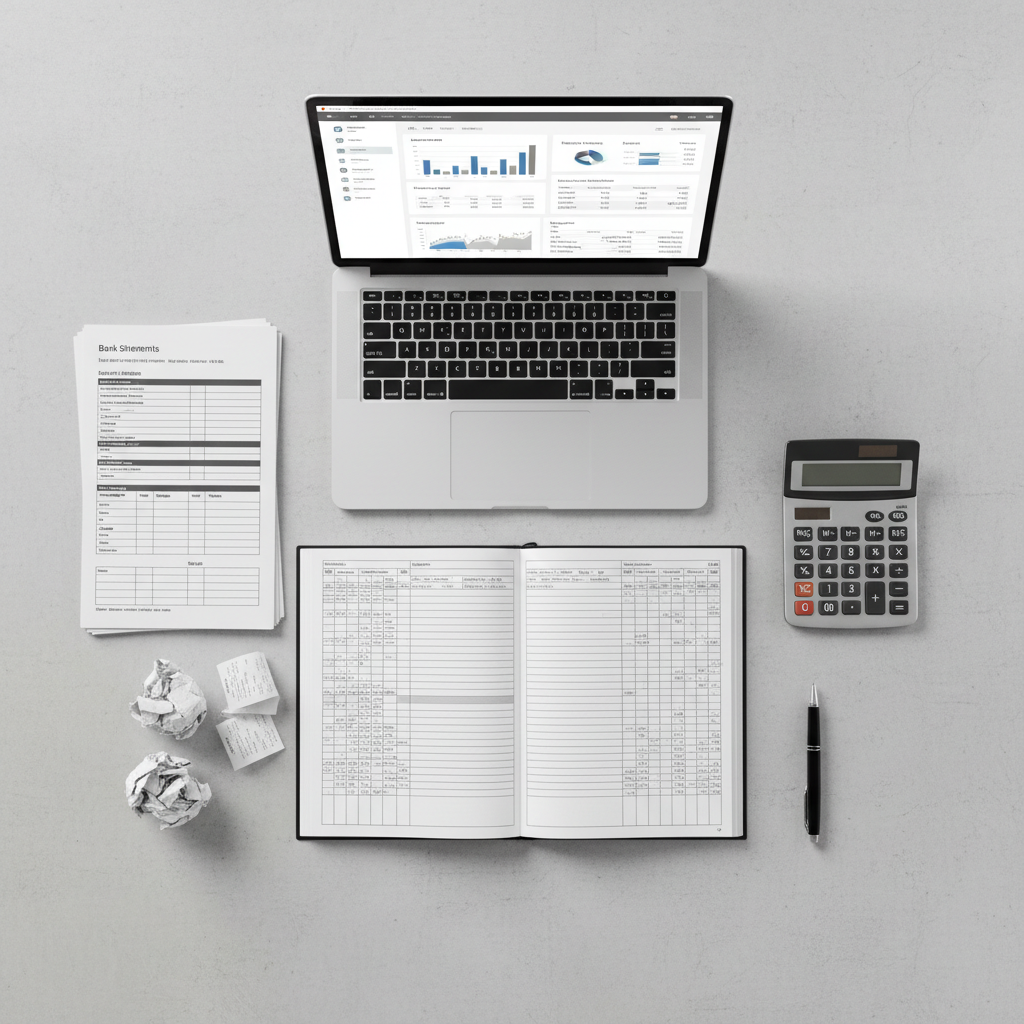
Understanding Traditional Bookkeeping
Traditional bookkeeping methods involve physical record-keeping systems, typically using paper ledgers and manual entry. This approach has been the backbone of business accounting for decades. It offers a tangible way to handle financial records, which some business owners find reassuring.
Advantages of Traditional Methods
Traditional bookkeeping has its set of benefits:
- Physical Records: Some businesses prefer having hard copies for audits and meetings.
- Familiarity: Long-standing businesses may be more comfortable with a system they've used for years.
However, the downsides include higher chances of error and increased time consumption due to manual entries and calculations.

The Rise of Digital Bookkeeping
Digital bookkeeping, on the other hand, utilizes software and cloud-based solutions for managing financial records. This method is gaining popularity due to its efficiency and accessibility.
Benefits of Digital Solutions
Switching to digital bookkeeping offers several advantages:
- Accuracy: Automated calculations reduce human error.
- Accessibility: Access your financial data anytime, anywhere.
- Efficiency: Streamline processes and save time.

Additionally, digital tools often include features like real-time reporting and integration with other business systems, enhancing overall productivity.
Considerations for Arizona Businesses
When deciding between digital and traditional methods, Arizona businesses should consider several factors:
- Business Size and Complexity: Larger businesses may benefit more from digital solutions, while smaller businesses might prefer traditional methods.
- Budget: Digital tools require an initial investment but can lead to long-term savings.
- Growth Plans: If you plan to scale, digital bookkeeping provides the necessary flexibility.
Ultimately, the choice depends on your business's specific needs and goals.
Making the Transition
For those considering a switch to digital bookkeeping, start by researching software options that align with your business operations. Many platforms offer free trials, allowing you to test their functionalities before committing. Additionally, consider consulting with a financial advisor to ensure a smooth transition.
In conclusion, both traditional and digital bookkeeping methods have their merits. By carefully evaluating your business requirements, you can choose the system that will best support your financial management and growth in Arizona's dynamic market.