The Rise of Remote Accounting Services: Trends to Watch
The Shift Towards Remote Accounting
The landscape of accounting has undergone a significant transformation in recent years, with remote accounting services taking center stage. This shift is largely driven by technological advancements and the increasing demand for flexibility in work environments. Businesses are now leveraging these services to streamline operations and reduce overhead costs.
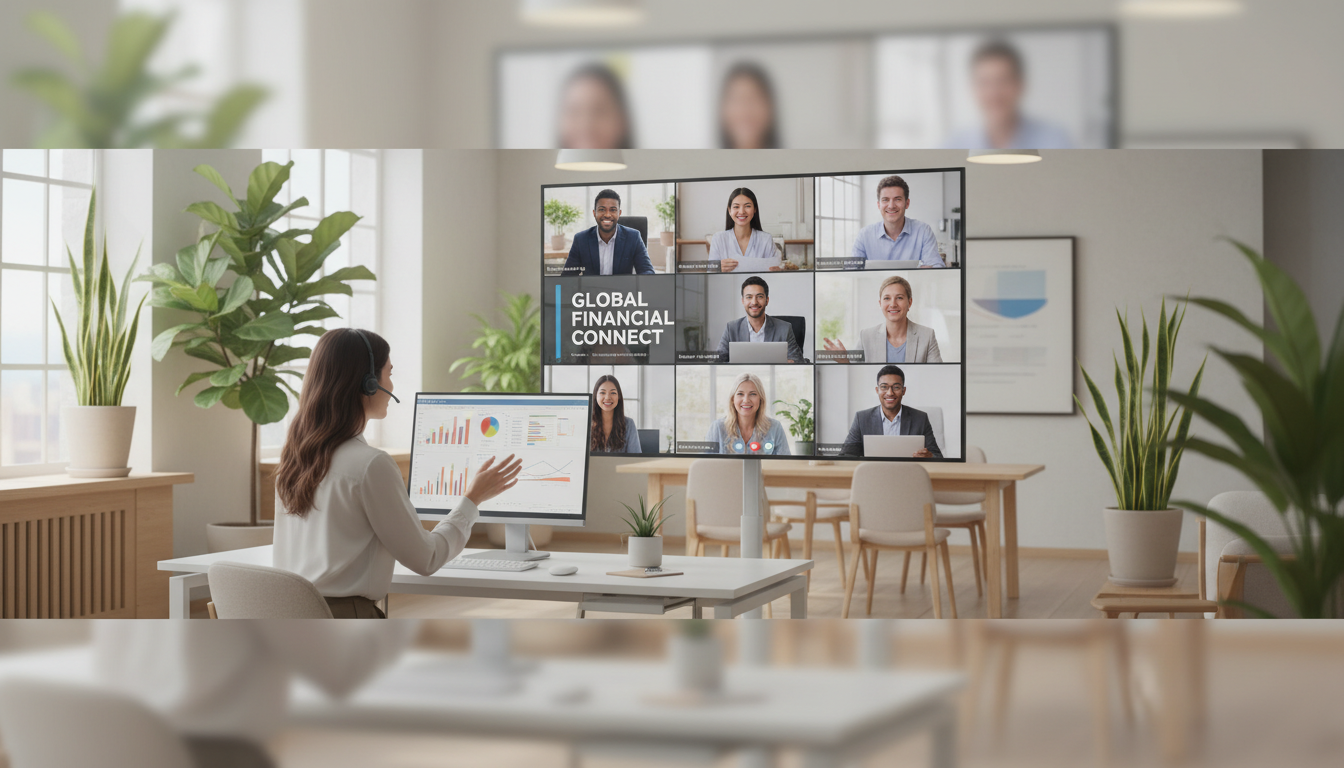
As companies embrace remote work, the demand for accessible and efficient accounting solutions has risen. This trend is not just a temporary adjustment but a long-term shift in how financial services are delivered. Let's explore some key trends shaping the future of remote accounting.
Technology-Driven Solutions
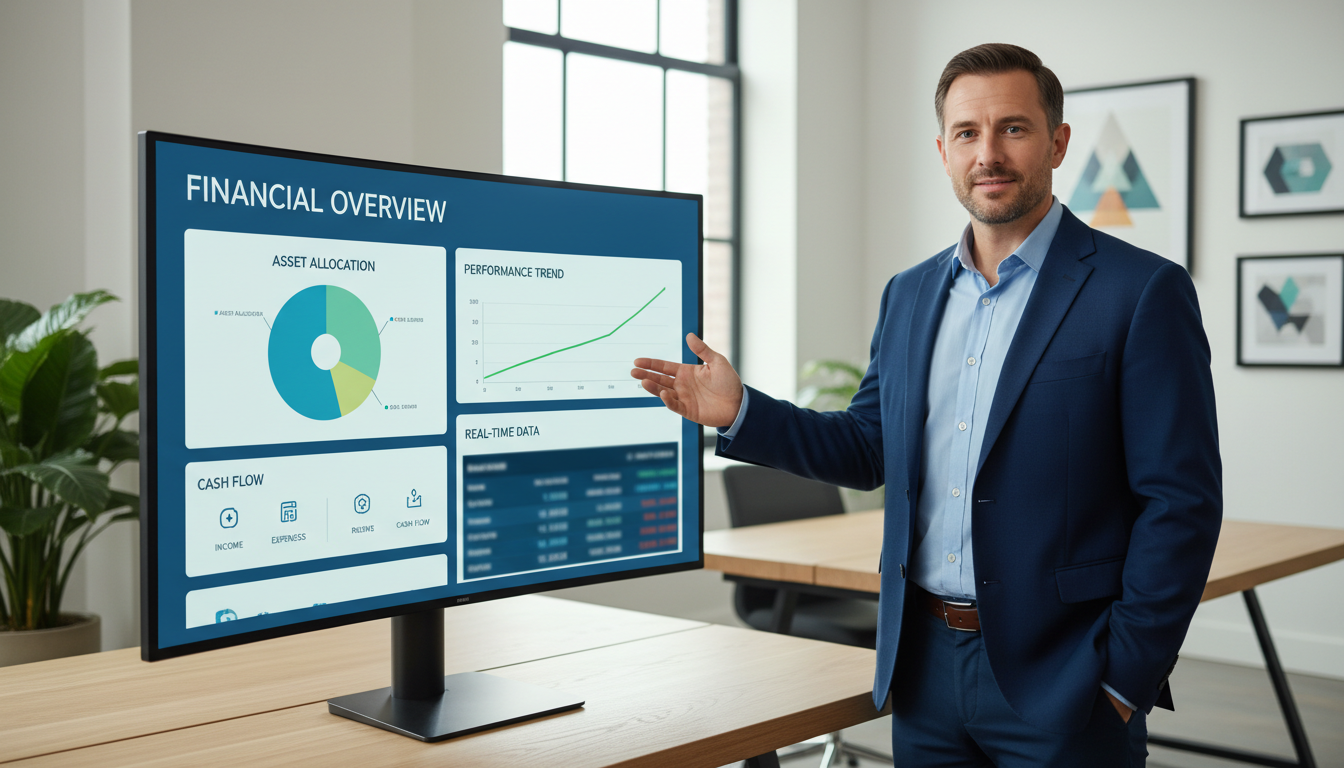
One of the primary drivers of remote accounting is the advancement of technology. Cloud-based platforms enable accountants to access financial data from anywhere in the world, making it easier to collaborate with clients and colleagues. These platforms offer real-time data processing, ensuring that businesses have up-to-date financial information at their fingertips.
- Automation: Automating routine tasks, like data entry and reconciliation, allows accountants to focus on more strategic activities.
- AI and Machine Learning: These technologies are enhancing accuracy and reducing the likelihood of human error.
Increased Demand for Flexibility
The rise of remote accounting is also fueled by the growing need for flexibility in business operations. Companies are seeking ways to adapt to changing market conditions without compromising on efficiency. Remote accounting services offer the flexibility to scale operations up or down as needed.
This flexibility is particularly beneficial for small and medium-sized enterprises (SMEs) that may not have the resources to maintain a full-time, in-house accounting team. By outsourcing accounting tasks, these businesses can focus on core operations while still maintaining financial accuracy.
Enhanced Data Security
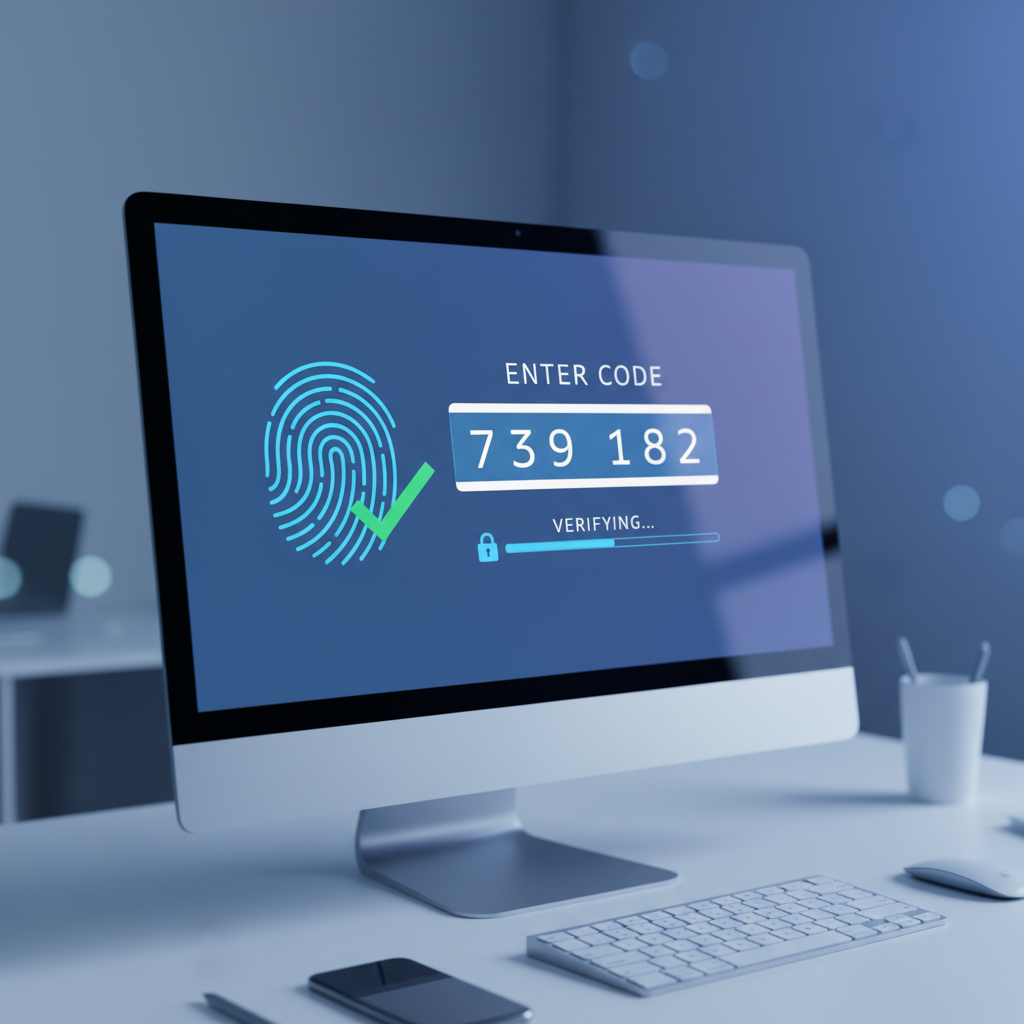
With the shift to remote services, data security has become a top priority. Accounting firms are investing in robust security measures to protect sensitive financial information. This includes encryption, multi-factor authentication, and regular security audits.
- Encryption: Ensures that data is securely transmitted and stored.
- Multi-Factor Authentication: Adds an extra layer of security by requiring multiple forms of verification.
As remote accounting services continue to evolve, businesses can expect even more sophisticated security solutions to emerge, ensuring that their financial data remains protected at all times.
The Future of Remote Accounting
The future of remote accounting is bright, with numerous opportunities for innovation and growth. As more businesses recognize the benefits of these services, the industry is poised for expansion. Companies that adapt to this changing landscape will be well-positioned to succeed in the digital age.
In conclusion, the rise of remote accounting services is reshaping the financial industry. By embracing technology, enhancing flexibility, and prioritizing security, businesses can leverage these services to gain a competitive edge. As we move forward, it will be exciting to see how remote accounting continues to transform the way companies manage their finances.